

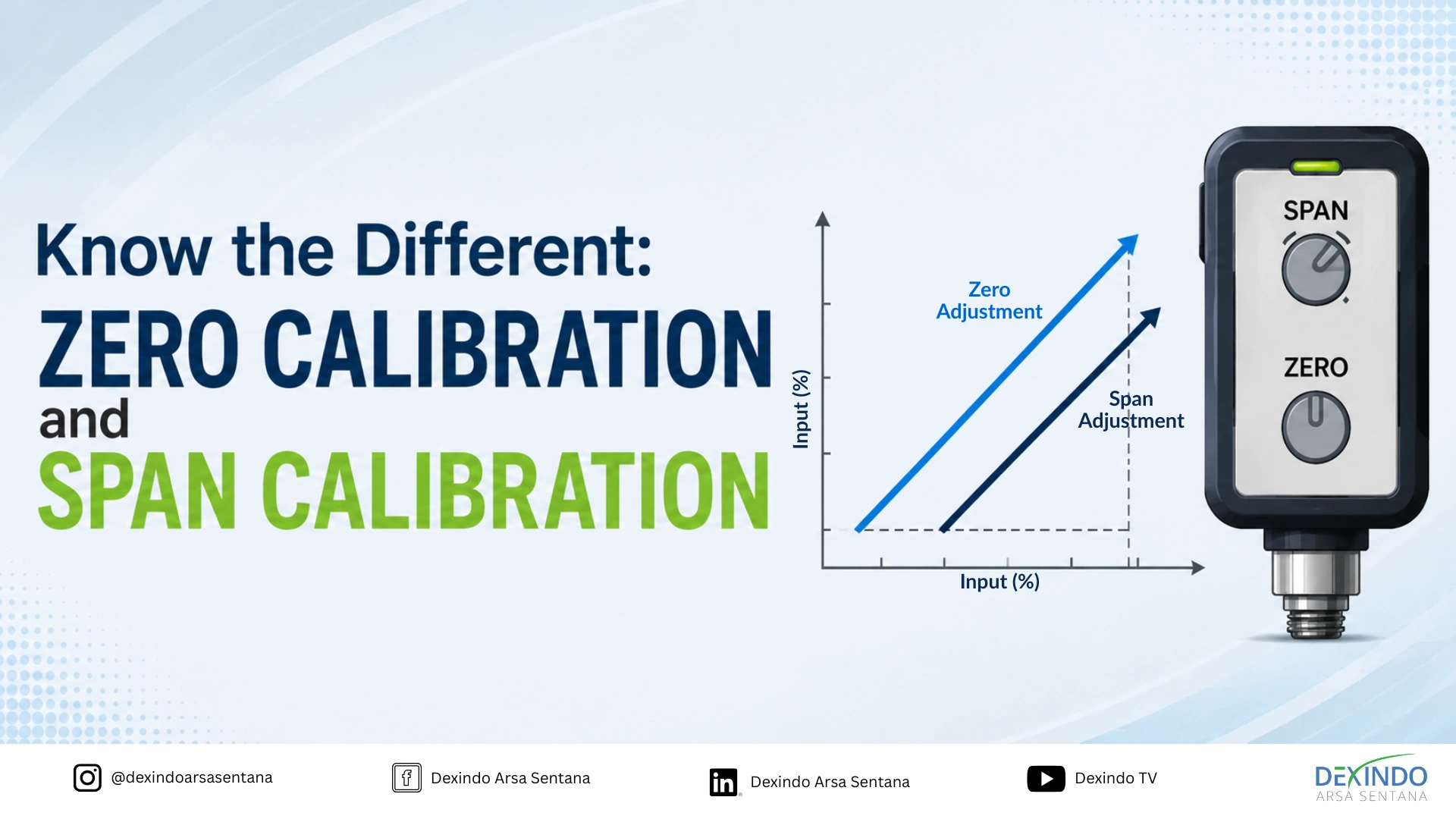
Gas detectors play a critical role in industrial safety by monitoring hazardous gas concentrations in real time. However, even the most advanced gas detection systems can experience sensor drift over time due to environmental conditions, sensor aging, contamination, and prolonged exposure to gases. This is why regular calibration is essential.
Two of the most important calibration procedures are zero calibration and span calibration. Understanding the difference between these methods helps ensure accurate gas readings, regulatory compliance, and worker safety.
What Is Zero Calibration?
Zero calibration is the process of adjusting a gas detector to display a reading of zero when no target gas is present.
This procedure establishes the detector’s baseline measurement and eliminates offsets caused by sensor drift. During zero calibration, the instrument is exposed to clean air or a certified zero gas that contains no detectable concentration of the target gas.
For example, if an H₂S detector displays 2 ppm in fresh air, the sensor has developed an offset. Zero calibration resets the detector so it correctly reads 0 ppm when no hydrogen sulfide is present.
Read: About Combustible Gas Detector and How It Works
Why Is Zero Calibration Important?
Zero calibration is important because it ensures the gas detector starts from an accurate baseline.
Without proper zero calibration, all subsequent measurements may be shifted, resulting in inaccurate readings and potentially unsafe decisions.
Benefits include:
- Eliminates sensor baseline drift
- Improves measurement accuracy
- Reduces false alarms
- Ensures reliable gas concentration readings
- Supports compliance with workplace safety standards
When Should Zero Calibration Be Performed?
Zero calibration should be performed whenever the detector shows baseline drift or as part of routine maintenance.
Common situations include:
- Before scheduled calibration procedures
- After sensor replacement
- Following exposure to high gas concentrations
- When readings appear unstable
- According to manufacturer recommendations
What Is Span Calibration?
Span calibration is the process of adjusting a gas detector’s response using a known concentration of calibration gas.
Unlike zero calibration, which establishes the baseline, span calibration verifies that the detector accurately measures gas concentrations across its operating range.
For example, a combustible gas detector may be exposed to a certified 50% LEL methane calibration gas. If the detector displays 45% LEL, the span calibration adjusts the sensor response to match the known concentration.
Why Is Span Calibration Important?
Span calibration is important because it ensures measurement accuracy at actual gas concentrations.
A detector with an accurate zero point can still produce incorrect readings if its sensitivity has changed over time.
Benefits include:
- Verifies sensor sensitivity
- Improves measurement accuracy
- Detects sensor degradation
- Reduces safety risks
- Meets regulatory and audit requirements
When Should Span Calibration Be Performed?
Span calibration should be performed regularly according to manufacturer recommendations and site safety procedures.
Typical intervals include:
- Monthly or quarterly maintenance programs
- After sensor replacement
- Following sensor exposure to extreme conditions
- When bump tests indicate performance issues
- Before critical monitoring applications
Read: Understanding Gas Detector Readings and Alarms
What Is the Difference Between Zero Calibration and Span Calibration?
The main difference is that zero calibration adjusts the detector’s baseline, while span calibration adjusts its measurement accuracy at a known gas concentration. Both procedures work together to ensure reliable gas detection performance.
| Aspect | Zero Calibration | Span Calibration |
|---|---|---|
| Purpose | Establish baseline reading | Verify measurement accuracy |
| Gas Used | Clean air or zero gas | Certified calibration gas |
| Expected Reading | 0 ppm or 0% LEL | Known gas concentration |
| Corrects | Baseline drift | Sensor sensitivity drift |
| Frequency | Routine maintenance | Routine maintenance and verification |
Which Calibration Should Be Performed First?
Zero calibration should always be performed before span calibration.
The baseline must be established first to ensure accurate sensor adjustment during span calibration. Performing span calibration before zero calibration can introduce measurement errors and compromise detector accuracy.
A standard calibration sequence typically follows these steps:
1. Apply clean air or zero gas.
2. Perform zero calibration.
3. Apply certified span gas.
4. Perform span calibration.
5. Verify detector response.
Read: Gas Detector Bump Test vs Calibration Explained
How Often Should Gas Detectors Be Calibrated?
Most gas detector manufacturers recommend regular calibration intervals ranging from monthly to every six months, depending on sensor type and application.
Industry standards such as OSHA, ISA, and manufacturer guidelines generally recommend:
- Daily or pre-use bump tests for portable detectors
- Monthly calibration for demanding environments
- Quarterly or semi-annual calibration for stable applications
- Immediate calibration after sensor replacement
Organizations should always follow the detector manufacturer’s specifications and local safety regulations.
What Happens If Calibration Is Ignored?
Ignoring calibration can lead to inaccurate gas readings, false alarms, and potentially dangerous safety incidents.
According to industrial safety studies, sensor drift can occur gradually due to environmental exposure, temperature fluctuations, humidity changes, and natural sensor aging. Even a small measurement error can affect decision-making during gas leak events.
Potential consequences include:
- Failure to detect hazardous gases
- False positive alarms
- Production downtime
- Regulatory non-compliance
- Increased risk of worker injury
Best Practices for Gas Detector Calibration
The best way to maintain accurate gas detection is to implement a documented calibration program.
Recommended practices include:
- Use certified calibration gases
- Follow manufacturer procedures
- Maintain calibration records
- Conduct routine bump testing
- Replace aging sensors when required
- Train personnel on calibration procedures
Read: Honeywell Gas Detector 1st Hand Distributor (Tier Diamond)
Conclusion
Zero calibration and span calibration serve different but equally important functions in gas detector maintenance. Zero calibration establishes an accurate baseline by ensuring the detector reads zero in clean air, while span calibration verifies the detector’s accuracy using a known gas concentration.
Together, these procedures help maintain reliable gas detection performance, support regulatory compliance, and protect personnel from hazardous gas exposure.
Reference:
- https://www.electricneutron.com/zero-span-adjustments-calibration/
