

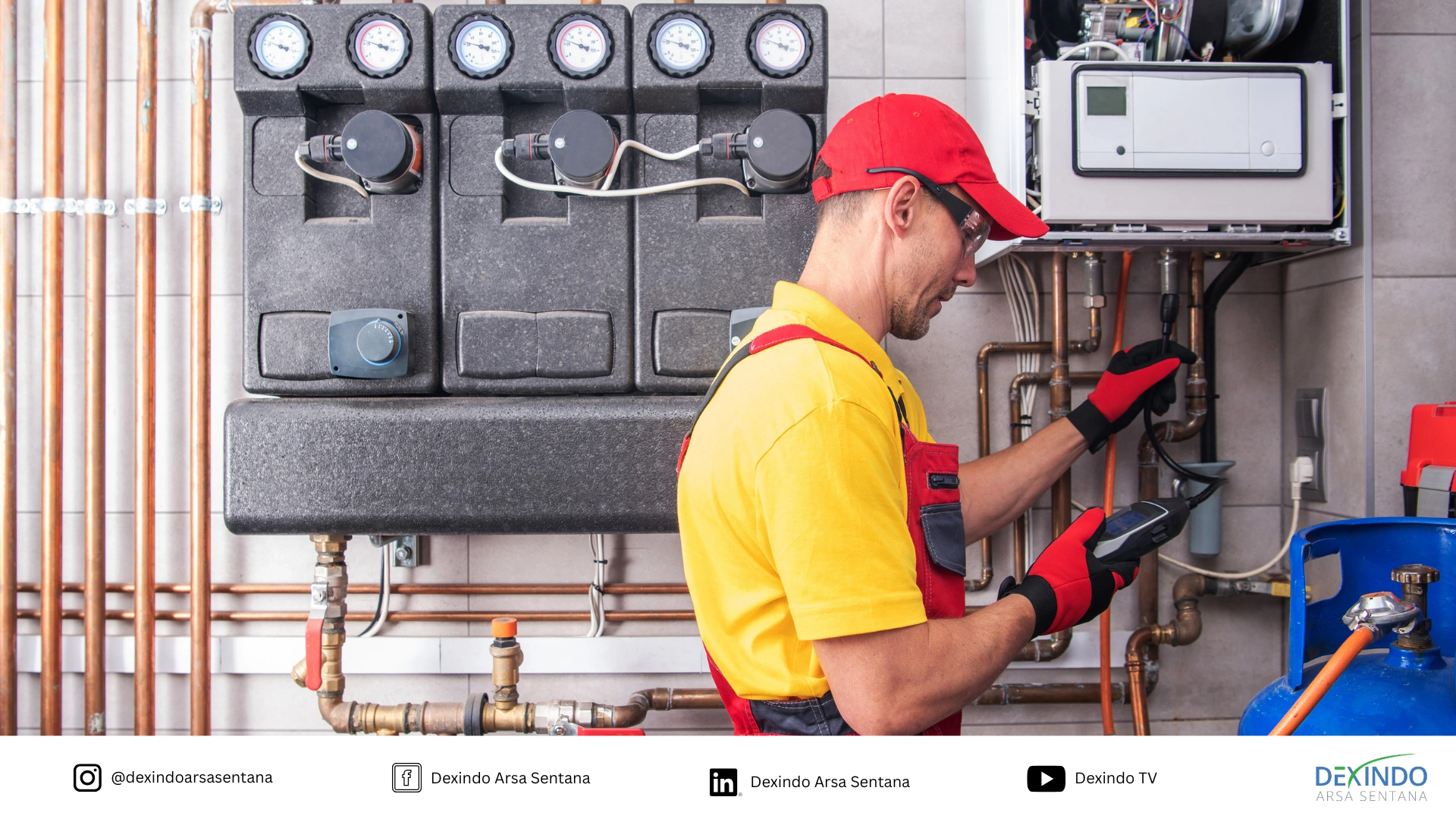
What Is a Combustible Gas Detector?
A combustible gas detector is a safety device designed to detect the presence of flammable gases in the air before they reach dangerous concentrations. These detectors help prevent fires, explosions, equipment damage, and health hazards by providing early warnings when combustible gases are present.
Combustible gases such as methane (CH₄), propane (C₃H₈), hydrogen (H₂), butane (C₄H₁₀), and natural gas can ignite when mixed with air at specific concentrations. According to industrial safety standards, many combustible gases become hazardous when they reach their Lower Explosive Limit (LEL), the minimum concentration capable of ignition in the presence of an ignition source.
Gas detectors are commonly used in:
- Oil and gas facilities
- Chemical processing plants
- Manufacturing facilities
- Power generation plants
- Wastewater treatment facilities
- Commercial buildings and parking garages
Why Is a Combustible Gas Detector Important?
A combustible gas detector is important because it provides early warning of gas leaks before they become fire or explosion hazards.
Industrial incidents involving combustible gases can lead to severe consequences, including production downtime, equipment damage, environmental impacts, and worker injuries. Safety regulations worldwide require many industries to implement gas detection systems as part of their hazard mitigation strategies.
A properly installed detector can:
- Detect gas leaks in real time
- Reduce the risk of explosions
- Protect workers and assets
- Support regulatory compliance
- Improve emergency response procedures
How Does a Combustible Gas Detector Work?
A combustible gas detector works by continuously monitoring the surrounding air and measuring the concentration of flammable gases.
When gas molecules enter the sensor chamber, the sensor analyzes the concentration and converts it into an electrical signal. The detector then displays the gas concentration as a percentage of the Lower Explosive Limit (%LEL).
If the gas concentration exceeds a predefined alarm threshold, the detector activates visual, audible, or remote alarms to alert personnel.
Most industrial systems use alarm settings such as:
- Low alarm: 10% LEL
- High alarm: 20% LEL
- Critical alarm: 40–60% LEL
These thresholds may vary depending on site-specific safety requirements and industry regulations.
What Are the Main Types of Combustible Gas Sensors?
Several sensor technologies are used in combustible gas detectors, each designed for specific applications.
Catalytic Bead Sensors
Catalytic bead sensors detect combustible gases through oxidation on a heated catalyst surface.
When combustible gas contacts the sensor, it burns on the catalyst, generating heat. The resulting temperature change alters the sensor’s electrical resistance, allowing the detector to calculate gas concentration.
Advantages:
- Reliable for detecting a wide range of combustible gases
- Cost-effective
- Widely used in industrial environments
Limitations:
- Requires oxygen to operate
- Can be poisoned by contaminants such as silicone and sulfur compounds
Infrared (IR) Sensors
Infrared sensors detect gas by measuring how gas molecules absorb infrared light.
Each gas absorbs specific infrared wavelengths. The detector analyzes these absorption patterns to determine gas concentration.
Advantages:
- Longer sensor life
- Lower maintenance requirements
- Resistant to sensor poisoning
- Effective in oxygen-deficient environments
Limitations:
- Higher initial investment
- May not detect hydrogen effectively without specialized technology
Semiconductor Sensors
Semiconductor sensors detect gases through changes in electrical conductivity caused by gas exposure.
These sensors are commonly used in commercial and residential applications due to their compact design and affordability.
Advantages:
- High sensitivity
- Compact size
- Cost-efficient
Limitations:
- Can be affected by temperature and humidity changes
- Less selective than industrial-grade technologies
What Gases Can a Combustible Gas Detector Detect?
A combustible gas detector can detect various flammable gases depending on the sensor technology and calibration gas used.
Common detectable gases include:
| Gas | Chemical Formula | LEL (%) |
|---|---|---|
| Methane | CH₄ | 5.0 |
| Propane | C₃H₈ | 2.1 |
| Butane | C₄H₁₀ | 1.8 |
| Hydrogen | H₂ | 4.0 |
| Ethylene | C₂H₄ | 2.7 |
| Acetylene | C₂H₂ | 2.5 |
A lower LEL value indicates that a gas can become explosive at lower concentrations.
How Is Gas Concentration Measured?
Gas concentration is typically measured as a percentage of the Lower Explosive Limit (%LEL).
For example:
- Methane LEL = 5% by volume
- Detector reading = 20% LEL
This means the methane concentration in the air is: 20% × 5% = 1% methane by volume
By monitoring %LEL, safety personnel can identify hazardous conditions before explosive concentrations are reached.
Read: Common Toxic Gases and Associated Health Risks
Where Should Combustible Gas Detectors Be Installed?
Combustible gas detectors should be installed near potential leak sources and according to the physical characteristics of the target gas.
Examples include:
For Lighter-Than-Air Gases
Install detectors near the ceiling for gases such as:
- Methane
- Hydrogen
These gases rise and accumulate at higher elevations.
For Heavier-Than-Air Gases
Install detectors closer to the floor for gases such as:
- Propane
- Butane
These gases tend to settle in low-lying areas.
Proper placement significantly improves detection speed and system effectiveness.
Read: Gas Detector Bump Test vs Calibration Explained
How Often Should a Combustible Gas Detector Be Calibrated?
Most combustible gas detectors should be calibrated every 3 to 12 months, depending on manufacturer recommendations, environmental conditions, and regulatory requirements.
Routine maintenance generally includes:
- Functional (bump) testing
- Sensor inspection
- Calibration verification
- Alarm testing
- System diagnostics
Regular calibration ensures measurement accuracy and compliance with industrial safety standards.
What Are the Benefits of Using a Combustible Gas Detector?
A combustible gas detector provides continuous protection against flammable gas hazards.
Key benefits include:
- Early leak detection
- Reduced explosion risk
- Enhanced worker safety
- Regulatory compliance support
- Lower operational downtime
- Asset and infrastructure protection
For industries handling combustible gases, gas detection systems are a critical layer of protection within a comprehensive safety management program.
Read: Key Factors to Consider When Choosing the Right Gas Detector
Conclusion
A combustible gas detector is an essential safety device that detects flammable gases before they reach dangerous concentrations. By continuously monitoring gas levels and triggering alarms when necessary, these systems help prevent fires, explosions, and costly operational disruptions.
Whether using catalytic bead, infrared, or semiconductor technology, selecting the right detector and maintaining proper calibration are crucial for achieving accurate gas monitoring and workplace safety.