
Industrial growth across Southeast Asia, particularly in Indonesia, Malaysia, Brunei Darussalam, the Philippines, and Vietnam, continues to accelerate.
Expansion in oil and gas, manufacturing, mining, chemical processing, power generation, and infrastructure development is driving economic progress across the region, while also increasing exposure to hazardous gases such as hydrogen sulfide H₂S, carbon monoxide CO, methane CH₄, ammonia NH₃, and oxygen deficient environments.
Gas leaks and undetected toxic gases remain a major cause of industrial accidents, shutdowns, injuries, and fatalities. In many cases, incidents occur not due to the absence of gas detectors, but because the equipment is incorrectly selected, improperly installed, or poorly maintained.
This guide helps HSE managers, engineers, plant managers, and procurement teams in Southeast Asia gain a practical understanding of gas detectors to support informed, compliant, and cost effective decisions.
What Is a Gas Detector?
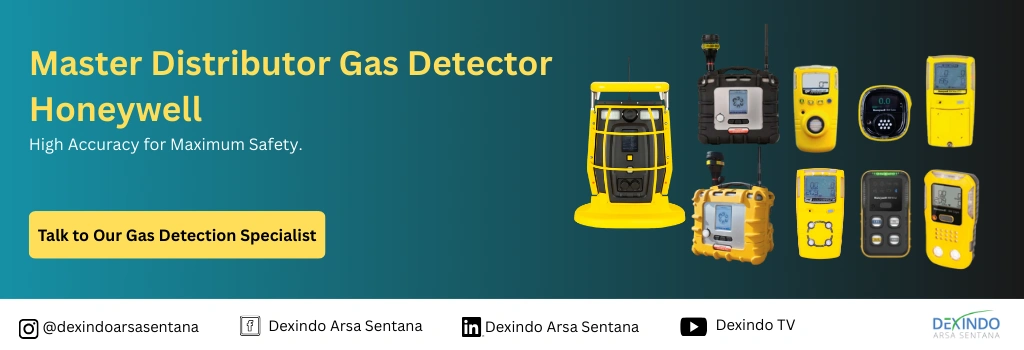
A gas detector is a safety instrument used to detect the presence of hazardous gases in an area and alert personnel before concentrations reach dangerous levels.
Gas detectors are commonly used to:
- Prevent toxic exposure to workers
- Reduce explosion and fire risks
- Comply with safety regulations
- Protect assets and ensure operational continuity
Gas detection systems can be deployed as portable devices for personal safety or as fixed systems for continuous area monitoring.
Types of Hazardous Gases Common in Industries
Different industries face different gas risks. The most common hazardous gases include:
- Hydrogen Sulfide (H₂S): Oil & gas, wastewater treatment, refineries
- Carbon Monoxide (CO): Boilers, power plants, manufacturing
- Methane (CH₄): Oil & gas, mining, LNG facilities
- Ammonia (NH₃): Cold storage, food processing, refrigeration
- Oxygen Deficiency (O₂): Confined spaces, tanks, silos
Understanding the specific gas risks in your facility is the first step in selecting the right gas detector.
Portable vs. Fixed Gas Detectors: Understanding the Differences
Gas detection systems are generally classified as portable or fixed, depending on the application and risk profile.
Portable Gas Detectors
Portable gas detectors are personal safety devices worn or carried by workers. They provide real-time alerts when hazardous gas levels are detected. Portable detectors are flexible and easy to deploy but rely on proper use and regular calibration.
Typical applications include:
- Confined space entry
- Maintenance and inspection activities
- Temporary work areas
- Emergency response
Fixed Gas Detectors
Fixed gas detectors are permanently installed to provide continuous monitoring of specific areas. They are commonly integrated into plant safety or control systems. Fixed systems offer continuous protection and centralized alarms but require professional installation and maintenance.
Typical applications include:
- Process areas
- Storage facilities
- Boiler rooms and compressor stations
- Production lines
Common Gas Sensor Technologies
Choosing the right sensor technology is critical for accuracy and reliability.
Electrochemical Sensors
- Best for toxic gases (CO, H₂S, NH₃)
- High sensitivity and accuracy
- Limited lifespan (typically 2–3 years)
Catalytic Bead Sensors
- Used for combustible gases
- Detect gases as %LEL
- Not suitable for low-oxygen environments
Infrared (IR) Sensors
- Ideal for hydrocarbons (CH₄, CO₂)
- Long lifespan and stable performance
- Higher upfront cost, lower long-term maintenance
Industrial Gas Detector Applications in Southeast Asia
Each industry requires a customized gas detection strategy, not a one-size-fits-all solution. Gas detectors are widely used across Southeast Asia industries, including:
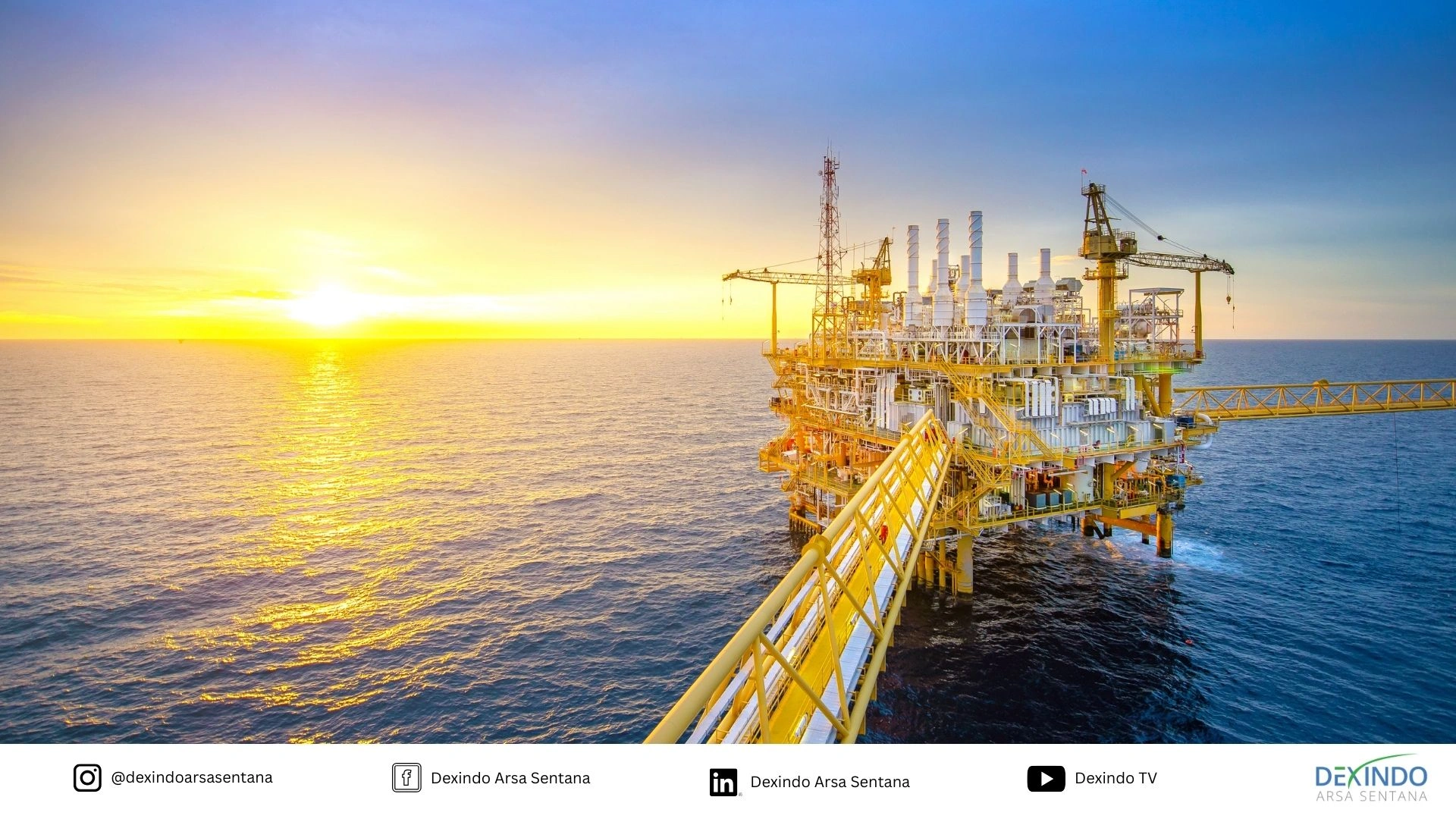
- Oil & Gas: Offshore platforms, refineries, LNG terminals
- Mining: Underground mines, ventilation shafts
- Manufacturing: Boilers, furnaces, enclosed production areas
- Chemical & Petrochemical: Process safety and leak detection
- Cold Storage & Food Processing: Ammonia leak detection
- Wastewater Treatment Plants (WWTP): H₂S monitoring
Standards, Certifications, and Compliance of Gas Detector
Standards are used to ensure gas detectors are safe, reliable, and suitable for the environments in which they operate. Compliance with gas detection regulations is critical to protecting workers’ health and safety. Non-compliance can result in fines, penalties, or even operational shutdowns and can significantly damage an organization’s reputation. In addition, faulty or unreliable alarms may negatively impact operational efficiency.
While local regulations may vary by country such as Indonesia, Malaysia, Thailand, Vietnam, and the Philippines, international certifications are widely recognized and often required by multinational companies. Across Southeast Asia, gas detection systems typically need to comply with internationally recognized standards, including:
- ATEX and IECEx for installations in hazardous areas
- SIL or Safety Integrity Level for safety critical systems
- ISO and IEC standards for general industrial safety compliance
Installation, Calibration, and Maintenance of Gas Detector
A gas detector is only reliable if it is properly maintained. Neglecting calibration and maintenance is one of the most common causes of gas detection failure in industrial facilities.
- Calibration
- Ensures sensor accuracy
- Typically required every 3–6 months
- Must use certified calibration gas
- Maintenance
- Sensor replacement
- Functional testing
- Alarm verification
How to Choose the Right Gas Detector for Your Facility
Before purchasing, consider:
- Type of gas risk
- Area classification (hazardous vs safe area)
- Environmental conditions (humidity, temperature)
- Required certifications
- Integration with existing systems
- Availability of local service and calibration support
Working with an experienced gas detector distributor ensures correct selection, installation, and long-term support.
Gas Detection Is a Safety Investment, Not a Cost
Gas detection systems are a critical component of industrial safety management across Southeast Asiaindustries. In sectors such as oil and gas, manufacturing, mining, power generation, and chemical processing, effective gas detection helps reduce the risk of toxic exposure, explosions, fires, and oxygen-deficient environments.
Rather than viewing gas detectors as a compliance expense, organizations should recognize them as a long-term safety investment. Inadequate gas detection solutions often result in false alarms, undetected leaks, and system failures, leading to production downtime, regulatory penalties, and serious safety incidents. A properly designed gas detection system improves operational reliability while supporting compliance with local regulations and international standards.
A comprehensive gas detection strategy includes proper gas risk assessment, selection of suitable sensor technologies, compliance with recognized safety standards, and ongoing calibration and maintenance. These elements ensure accurate gas monitoring throughout the equipment lifecycle and help organizations maintain consistent safety performance.
As industrial development continues across Southeast Asia, gas detection will remain essential to protecting workers and assets. Facilities that invest in certified gas detection systems, supported by proper installation and maintenance practices, are better equipped to meet regulatory requirements, enhance workplace safety, and maintain long-term operational resilience.