
Not all gas detectors are built for the same purpose. Selecting the wrong detector can lead to inaccurate readings, delayed alarms, or even complete safety system failure. That’s why understanding the key selection criteria is essential before investing in a gas detection system.
Below are the most important factors to evaluate when choosing a gas detector for your facility or application.
Read: Understanding Gas Detector Readings and Alarms
1. Identify the Type of Gas You Need to Detect
The first and most important step is determining which gases need to be monitored. Different gases require different sensing technologies, and a detector designed for one gas may not work effectively for another.
Common gas categories include:
- Flammable gases: LPG, LNG, methane (CH₄), hydrogen (H₂)
- Toxic gases: carbon monoxide (CO), hydrogen sulfide (H₂S), ammonia (NH₃)
- Oxygen monitoring (O₂): to detect oxygen deficiency or enrichment
Before purchasing, verify that the detector specifications clearly state the target gases it can measure.
2. Consider the Operating Environment
Environmental conditions play a major role in gas detector performance and durability. Important questions to ask include:
- Will the detector be used indoors or outdoors?
- Is the installation area classified as hazardous?
- Will the device be exposed to extreme temperatures, humidity, dust, or corrosive chemicals?
Harsh industrial environments often require detectors with weather-resistant enclosures, appropriate IP ratings, and corrosion-resistant materials to ensure long-term reliability.
Read: Pump vs Diffusion Gas Detectors: Which One Is Better?
3. Understand the Different Sensor Technologies
Gas detectors use different sensing technologies depending on the application. Each sensor type has its own strengths and limitations.
Electrochemical Sensors
Highly accurate for detecting toxic gases such as CO and H₂S while consuming relatively low power.
Catalytic Sensors
Commonly used for combustible gas detection. These sensors require oxygen to operate effectively.
Infrared (IR) Sensors
Known for stability, long service life, and reduced false alarms. Widely used for hydrocarbon gas detection in industrial facilities.
Photoionization Detectors (PID)
Designed to detect low concentrations of volatile organic compounds (VOCs).
Choosing the right sensor technology should be based on detection requirements, environmental conditions, desired accuracy, and long-term maintenance costs.
Read: Know the Different: Portable vs Fixed vs Wireless Gas Detectors
4. Fixed vs Portable Gas Detectors
Gas detectors are generally categorized into two main types:
Fixed Gas Detectors
Installed permanently in a specific area for continuous 24/7 monitoring. Commonly used in production areas, mechanical rooms, and processing facilities.
Portable Gas Detectors
Carried by workers during inspections, confined space entry, or temporary maintenance work.
In many industrial applications, combining fixed and portable gas detectors provides the highest level of protection.
5. Alarm and Notification Features
The primary purpose of a gas detector is to provide early warning before conditions become dangerous. Therefore, the alarm system is a critical consideration.
Look for detectors equipped with:
- Audible alarms
- Visual indicators or flashing lights
- Vibration alerts for portable units
- Integration capability with SCADA, BMS, or other control systems
The alarm should remain noticeable even in noisy or low-visibility environments.
Read: Gas Detector Bump Test vs Calibration Explained
6. Accuracy and Response Time
An effective gas detector must respond quickly and provide reliable readings. Slow response times can delay evacuation or emergency action, increasing the risk of accidents.
Review technical specifications such as:
- Response time (T90)
- Repeatability
- Measurement tolerance
- Sensor sensitivity
High-performance detectors help ensure faster decision-making during critical situations.
7. Safety Certifications and Compliance Standards
Certifications indicate that a gas detector meets recognized international safety standards. Common certifications include:
- ATEX / IECEx for hazardous area applications
- SIL (Safety Integrity Level)
- Local compliance standards and accreditation requirements
Using certified equipment not only improves workplace safety but also helps companies comply with regulatory inspections and safety audits.
8. Calibration and Maintenance Requirements
Routine calibration is essential to maintain detection accuracy over time. Before selecting a detector, evaluate:
- Ease of calibration
- Availability of calibration gas
- Recommended maintenance intervals
- Long-term maintenance costs
User-friendly calibration procedures can significantly reduce operational downtime and maintenance expenses.
9. Sensor Lifespan and Power Consumption
Gas sensors have a limited operational lifespan, typically ranging from two to five years depending on the technology and operating conditions.
Additional factors to consider include:
- Power source requirements
- Battery runtime for portable detectors
- Sensor end-of-life indicators
Proper sensor replacement planning helps prevent unexpected failures and system downtime.
10. Vendor Expertise and After-Sales Support
Choosing the right supplier is just as important as selecting the detector itself. A reliable vendor should provide:
- Technical support
- Calibration and repair services
- Spare parts availability
- Application consultation
An experienced supplier can help ensure the selected gas detection system matches your operational and safety requirements.
Choosing the Right Gas Detector for Reliable Protection
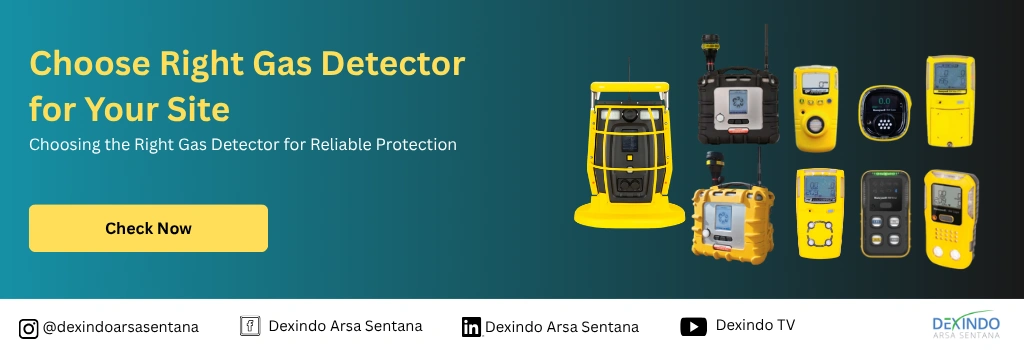
Selecting the right gas detector is not simply about price or brand reputation. The ideal solution must match the gases being monitored, the operating environment, applicable safety standards, and the overall operational needs of the facility.
By carefully evaluating sensor technology, environmental conditions, alarm systems, certifications, and vendor support, businesses can reduce operational risks and create a safer workplace for everyone.
If you are unsure which gas detector best fits your application, consulting with experienced gas detection specialists can help ensure your investment delivers maximum safety and long-term reliability.
When it comes to protecting people, assets, and operations, choosing a trusted gas detection solution is essential. Honeywell gas detectors are recognized worldwide for their reliability, accuracy, and compliance with international safety standards, making them a preferred choice across industries such as oil and gas, manufacturing, mining, and commercial facilities.
Backed by advanced sensing technology and comprehensive support services, Honeywell helps organizations maintain a safer working environment while minimizing operational risks. To find the most suitable Honeywell gas detection solution for your application, consult with an authorized Honeywell distributor or gas detection specialist.