
Not all hazardous gases can be detected by sight or smell. In many industrial environments, workers may already be exposed to dangerous gases before realizing the risk. Gas detector readings indicate the concentration of hazardous gases in the air. When concentrations exceed predefined thresholds, the detector activates alarms to warn personnel. The exact alarm levels depend on the gas type, applicable regulations, and your organization’s safety procedures.
Incorrect interpretation of gas detector data can lead to delayed response, unsafe decisions, and serious health consequences. This article explains how to properly read a gas detector, understand gas exposure limits, and avoid common mistakes during gas monitoring activities.
Read: Pump vs Diffusion Gas Detectors: Which One Is Better?
How to Read a Gas Detector Correctly
| Alarm Level | Typical Trigger | Purpose | Required Action |
|---|---|---|---|
| Low Alarm | First preset threshold (often 10–20% of limit) | Early warning of increasing gas concentration | Investigate the source, increase ventilation, and monitor readings. |
| High Alarm | Higher preset threshold (often 20–40% of limit) | Dangerous concentration developing | Stop work, evacuate if necessary, notify supervisors, and control the source if safe. |
| High-High (Critical) Alarm | Critical concentration | Immediate danger to life or explosion risk | Evacuate immediately, isolate the area, and initiate emergency response. |
Note: Exposure limits may vary depending on local regulations, industry standards, and company safety policies.
1. Recognizing the Main Components of a Gas Detector
Before interpreting gas readings, users should first understand the primary components of a gas detector. Although designs may vary between manufacturers, most portable gas detectors contain the following elements:
Sensor
The sensor is the most important component of the detector. It detects the presence and concentration of specific gases in the atmosphere. Different sensors are designed for different gases, such as oxygen (O₂), hydrogen sulfide (H₂S), carbon monoxide (CO), or combustible gases.
Display Screen
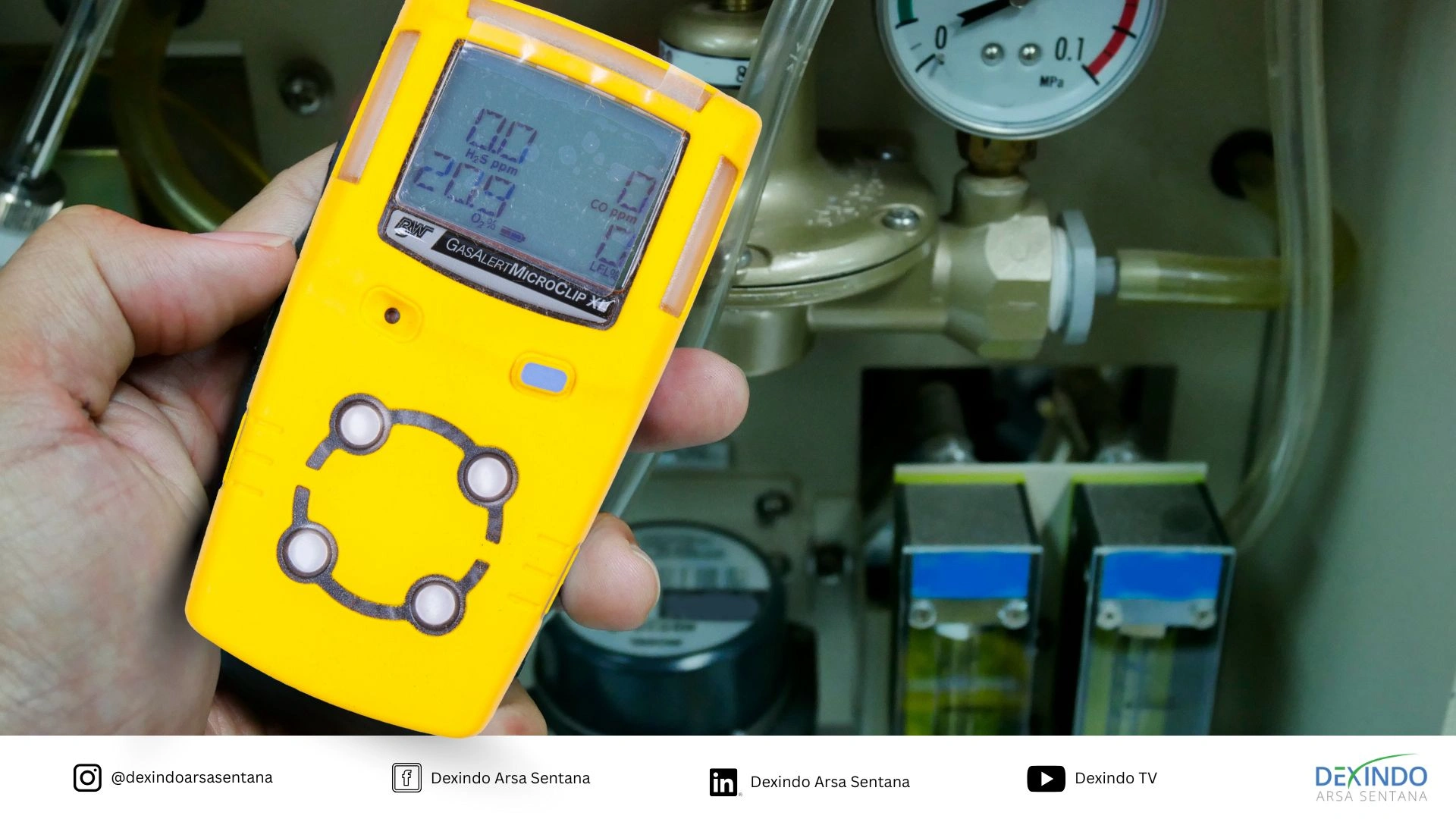
The display provides real-time gas concentration readings, alarm indicators, battery status, and operational information. Modern gas detectors typically use digital displays with multiple parameters shown simultaneously.
Audible and Visual Alarms
Gas detectors are equipped with alarms that activate when gas concentrations exceed predefined safety thresholds. Alarms may include flashing lights, vibration alerts, and audible warnings.
Pump or Diffusion Inlet
Some detectors use an internal pump to actively sample air, while diffusion-type detectors rely on natural airflow around the sensor.
Battery and Charging System
Reliable battery performance is essential for continuous monitoring. Low battery conditions may affect detector performance and compromise safety.
2. Understanding Symbols and Units on the Display
Gas detector displays contain several symbols and measurement units that users must understand clearly.
ppm (Parts Per Million)
This unit measures the concentration of toxic gases such as H₂S or CO in very small quantities. For example, 10 ppm means there are 10 parts of gas per one million parts of air.
%LEL (Lower Explosive Limit)
Used for combustible gases, %LEL indicates how close the gas concentration is to becoming explosive. A reading of 100% LEL means the atmosphere has reached the minimum concentration capable of ignition.
%VOL (Volume Percent)
This unit is commonly used for oxygen or high-concentration gases. Normal atmospheric oxygen is approximately 20.9% VOL.
Alarm Indicators
Most detectors display alarm symbols such as HIGH, LOW, STEL, or TWA. These indicators warn users when exposure limits are exceeded.
Battery and Fault Indicators
Battery icons, sensor fault symbols, and calibration reminders help users identify operational issues before use.
Read: How Gas Detector Sensors Work and Why Detection Can Fail
3. How to Read and Evaluate Measurement Data
Reading gas detector data involves more than simply looking at numbers on the screen. Users must evaluate whether the atmosphere is safe based on gas concentration, exposure duration, and operational conditions.
For example:
Oxygen levels below 19.5% indicate oxygen-deficient environments that may cause breathing difficulties.
H₂S concentrations above safe limits can rapidly affect the respiratory system.
Increasing %LEL values indicate rising explosion risk.
Users should also observe whether readings are stable, fluctuating, or continuously increasing. Sudden changes may indicate leaks, ventilation issues, or sensor problems.
Understanding alarm priorities is equally important. A LOW alarm may indicate caution, while a HIGH alarm often requires immediate evacuation or corrective action.
Understanding Gas Detector Threshold Limit Values (TLV)?
This is related to gas detection reading, Threshold Limit Values (TLVs) are exposure guidelines that define safe concentrations of hazardous gases in workplace environments. These values help organizations protect workers from health risks associated with gas exposure.
1. TWA (Time-Weighted Average)
TWA refers to the average gas exposure over a standard 8-hour workday or 40-hour workweek.
For example, workers may safely tolerate low concentrations of certain gases for limited periods, provided the overall average exposure remains below the TWA limit.
TWA is important for evaluating long-term exposure risks.
2. STEL (Short-Term Exposure Limit)
STEL represents the maximum gas concentration workers may be exposed to over a short period, typically 15 minutes.
Even if the TWA remains acceptable, short-term exposure above STEL can still cause serious health effects such as dizziness, irritation, or breathing problems.
3. Ceiling (C)
The Ceiling limit is the maximum concentration that must never be exceeded at any time during operation.
Ceiling values are used for highly toxic gases where even brief exposure can be dangerous.
Read: Why Do Gas Detectors Trigger False Alarms? Causes and Solutions
Tips to Avoid Gas Detector Reading Errors
Proper understanding and maintenance of gas detectors are essential to ensure accurate measurements and safe operations.
1. Perform Regular Calibration
Gas detectors must be calibrated periodically using certified calibration gases. Calibration ensures sensor accuracy and reliable measurements.
Without proper calibration, detectors may provide false readings or fail to detect hazardous gases.
2. Conduct a Bump Test Before Use
A bump test verifies that sensors and alarms respond correctly when exposed to test gas.
This quick functional test should be performed before daily operation, especially in high-risk environments.
3. Understand Sensor Types and Measured Gases
Different sensors are designed for different gases and operating conditions. Users must understand the detector’s limitations, cross-sensitivity risks, and compatible gas types.
Using the wrong sensor configuration may result in inaccurate readings.
4. Pay Attention to Units and Exposure Limits
Users should always verify whether readings are displayed in ppm, %LEL, or %VOL.
Misinterpreting measurement units can lead to incorrect safety decisions and dangerous exposure situations.
5. Ensure the Device Is in Good Condition
Inspect the detector regularly for damaged sensors, blocked filters, low battery conditions, or physical defects.
A poorly maintained device may not function properly during emergencies.
6. Use Gas Analyzers According to Operating Procedures
Always follow manufacturer guidelines and company operational procedures during gas testing activities.
Proper sampling methods, positioning, and testing duration are critical for obtaining accurate measurements.
7. Repeat Measurements if Results Are Doubtful
If readings appear inconsistent, unstable, or suspicious, repeat the measurement immediately.
Environmental factors such as humidity, temperature, airflow, or sensor contamination may affect detector performance.
Conclusion
Gas detectors are essential safety instruments in industrial operations, confined spaces, oil and gas facilities, chemical plants, and many other hazardous environments. However, the effectiveness of these devices depends not only on the equipment itself but also on the user’s ability to interpret readings correctly.
By understanding gas detector components, measurement units, exposure limits, and proper operational practices, personnel can make faster and safer decisions in potentially hazardous situations.
Proper training, routine calibration, and accurate interpretation of gas readings are key factors in preventing gas-related incidents and protecting worker safety.