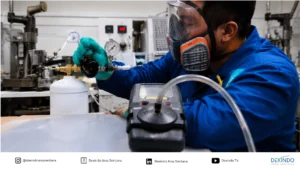

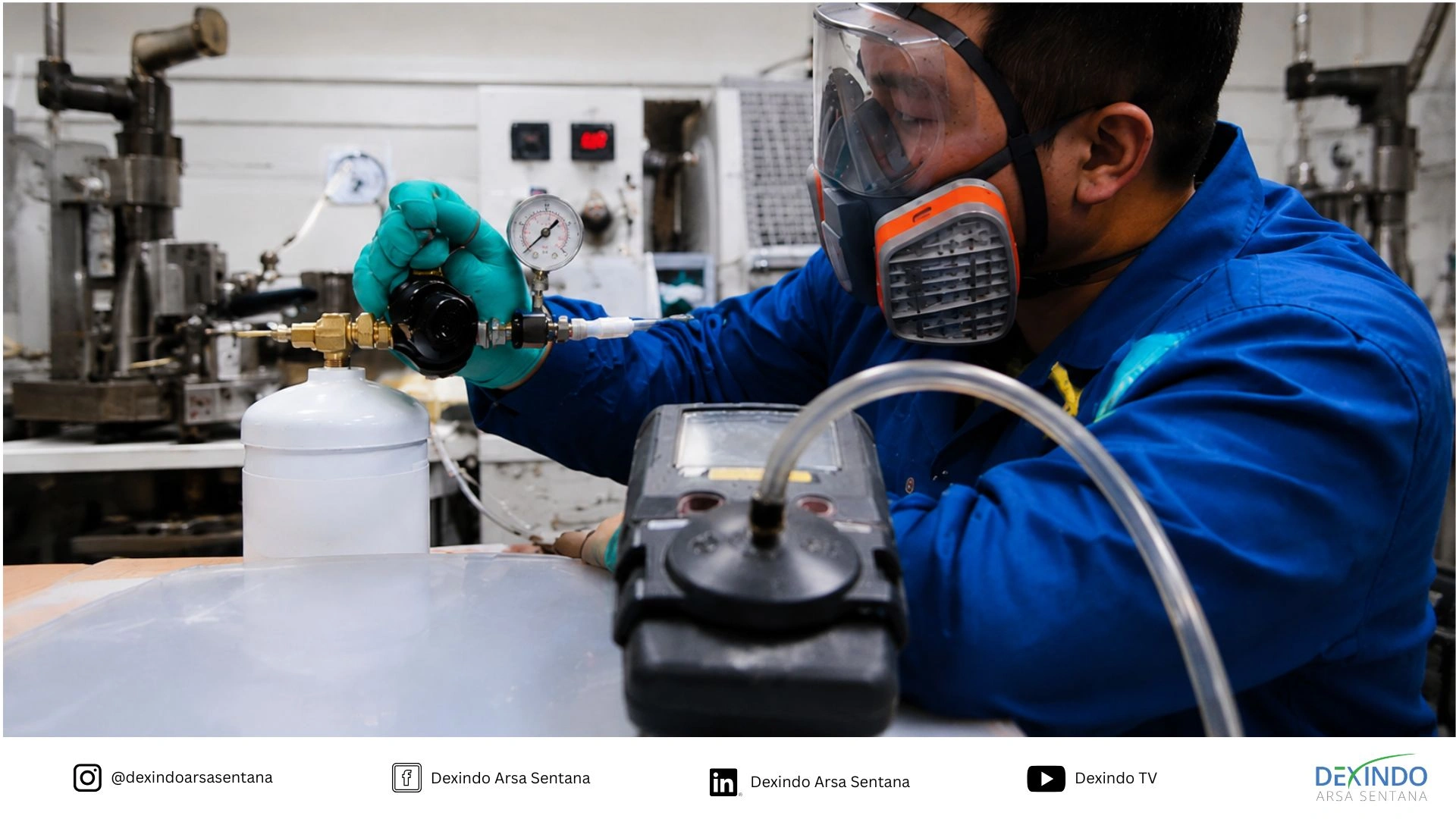
In many applications, gas detectors are typically calibrated every six months to maintain measurement accuracy and reliable performance. However, even the most advanced gas detection equipment can produce inaccurate readings if it is not calibrated on a regular basis. The recommended calibration interval depends on factors such as the sensor technology, operating environment, frequency of use, and the manufacturer’s guidelines.
Understanding how often gas detectors should be calibrated helps organizations maintain compliance, improve worker safety, and ensure reliable gas detection performance.
How Frequently Should Gas Monitors Be Calibrated?
Most gas monitor manufacturers recommend calibrating gas detectors every 30 to 180 days, depending on the sensor type, environmental conditions, and usage frequency. For many portable multi-gas detectors used in industrial environments, a monthly calibration schedule is considered a best practice.
The exact calibration interval should always follow the manufacturer’s recommendations. Regulatory bodies and industry standards may also require more frequent calibration in high-risk environments.
Read: Calibrate Gas Detector: How Frequently Should Gas Monitors Be Calibrated?
Typical Calibration Frequency by Detector Type
| Gas Detector Type | Recommended Calibration Interval |
|---|---|
| Portable multi-gas detector | Every 30–90 days |
| Fixed gas detector | Every 90–180 days |
| Catalytic combustible gas sensor | Monthly to quarterly |
| Electrochemical toxic gas sensor | Every 1–3 months |
| Infrared gas detector | Every 3–6 months |
Factors such as exposure to extreme temperatures, humidity, dust, or high gas concentrations may require more frequent calibration.
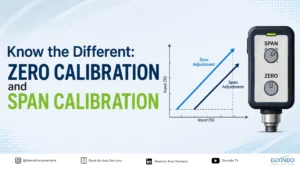
Read: Know the Different: Zero Calibration and Span Calibration
Why Is Gas Detector Calibration Important?
Gas detector calibration ensures the instrument accurately measures gas concentrations and responds correctly to hazardous conditions.
Over time, gas sensors naturally drift from their original calibration settings. Sensor aging, environmental contamination, and exposure to target gases can affect accuracy.
An improperly calibrated detector may:
- Fail to detect hazardous gas levels
- Trigger false alarms
- Produce inaccurate readings
- Increase safety risks for workers
- Result in regulatory non-compliance
According to occupational safety experts, even small sensor deviations can significantly impact gas concentration measurements in confined spaces and hazardous industrial environments.
What Happens If a Gas Detector Is Not Calibrated?
A gas detector that is not calibrated may provide inaccurate readings, creating a false sense of safety.
For example, a detector displaying 10% LEL (Lower Explosive Limit) when the actual concentration is 20% LEL could underestimate the risk of fire or explosion.
Potential consequences include:
- Worker exposure to toxic gases
- Undetected combustible gas leaks
- Increased risk of fires and explosions
- Equipment damage
- OSHA and industry compliance violations
Regular calibration helps verify that sensors respond accurately across their operating range.
What Factors Affect Calibration Frequency?
Several factors influence how often a gas monitor should be calibrated.
1. Sensor Technology
Different sensor technologies experience drift at different rates.
- Catalytic bead sensors may require more frequent calibration.
- Electrochemical sensors can gradually lose sensitivity over time.
- Infrared (IR) sensors typically maintain calibration longer than catalytic sensors.
2. Environmental Conditions
Harsh operating environments can accelerate sensor degradation.
Examples include:
- High humidity
- Dusty conditions
- Extreme temperatures
- Corrosive chemicals
- Silicone contamination
3. Frequency of Use
Detectors used daily in industrial operations generally require more frequent calibration than devices used occasionally.
4. Exposure to High Gas Concentrations
Sensor performance can be affected after exposure to unusually high concentrations of combustible or toxic gases.
Following such events, calibration verification is strongly recommended.
Read: Know the Different: Portable vs Fixed vs Wireless Gas Detectors
Is Bump Testing the Same as Calibration?
No, bump testing and calibration are different procedures.
A bump test verifies that the detector responds to gas and activates alarms correctly. Calibration adjusts the detector to match a known gas concentration standard.
Bump Test vs Calibration
Many safety programs recommend performing a bump test before each work shift and calibration according to manufacturer guidelines.
| Procedure | Purpose | Frequency |
|---|---|---|
| Bump Test | Confirms detector response and alarm operation | Before each day’s use |
| Calibration | Adjusts detector accuracy to known standards | Monthly to quarterly |
What Industry Standards Recommend Gas Detector Calibration?
Several industry standards emphasize regular gas detector calibration and functional testing.
Key references include:
- OSHA gas monitoring guidance
- ANSI/ASSP safety standards
- ISA gas detection standards
- Manufacturer-specific calibration requirements
While standards may not always prescribe a fixed calibration interval, they consistently require maintaining detector accuracy through routine testing and calibration.
Best Practices for Gas Detector Calibration
Organizations should implement a documented calibration program to ensure consistent gas detector performance.
Recommended best practices include:
1. Follow manufacturer calibration intervals.
2. Conduct bump tests before daily use.
3. Maintain calibration records and certificates.
4. Use certified calibration gas mixtures.
5. Replace sensors approaching end-of-life.
6. Train personnel on calibration procedures.
7. Investigate any failed bump tests immediately.
A documented maintenance program can improve compliance readiness and support workplace safety initiatives.
Conclusion
Most gas monitors should be calibrated every 30 to 180 days, with monthly calibration commonly recommended for portable gas detectors operating in demanding environments. Again, the ideal calibration frequency depends on sensor type, operating conditions, usage patterns, and manufacturer requirements.
Regular calibration, combined with daily bump testing and proper maintenance, helps ensure gas detectors provide accurate readings when worker safety depends on them.